Electrical Safety in Modern Homes: McMaster Electric's Essential Tips for Homeowners Sep 03, 2026
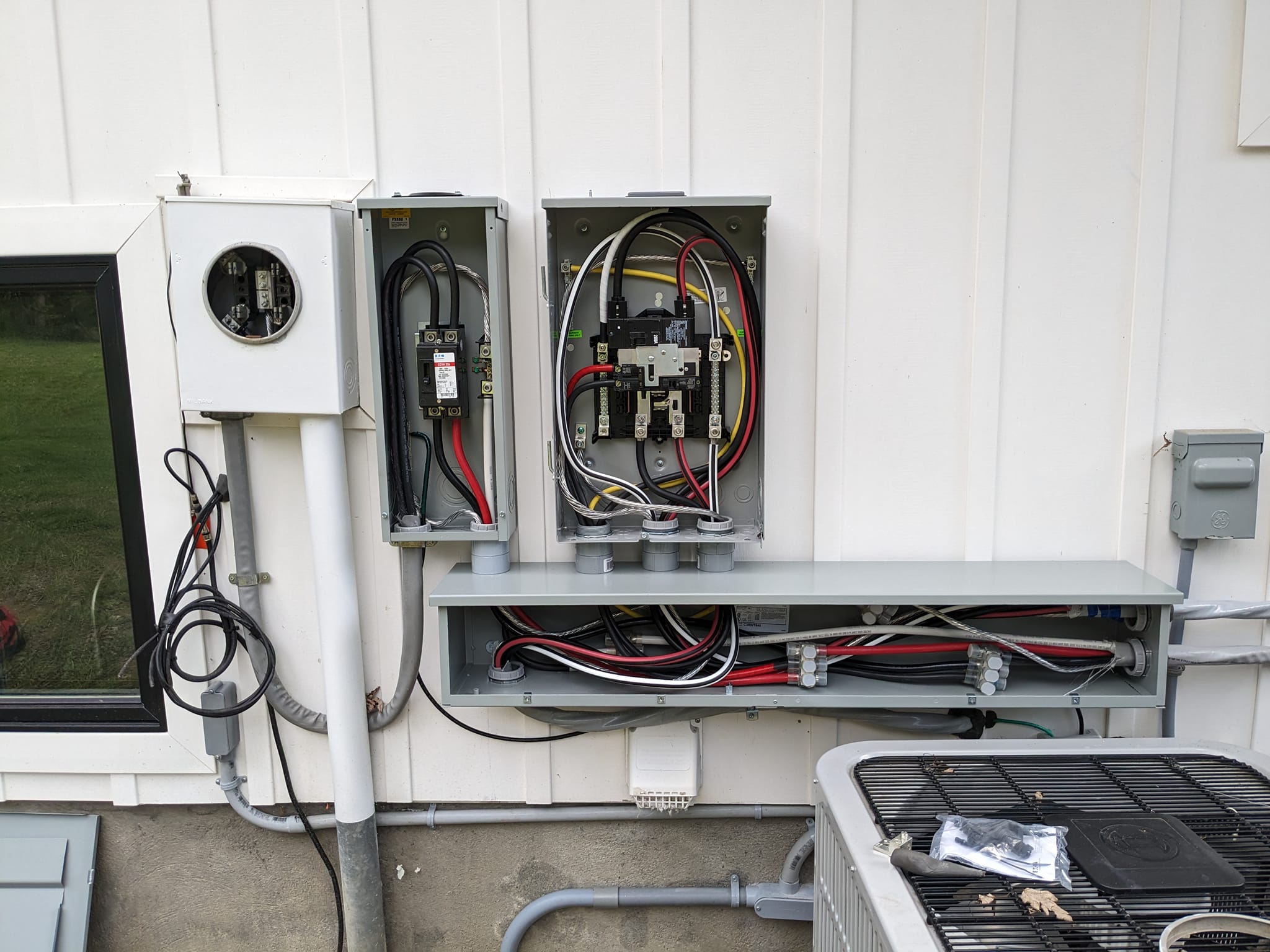
First and foremost, recognize the importance of regularly inspecting your electrical system. A proactive approach to maintenance can prevent many common electrical issues before they become hazards. Homeowners should schedule yearly inspections to ensure that wiring, outlets, and other electrical components remain in good condition. Look for signs of wear, such as frayed wires or charred outlets, as these can indicate potentially dangerous issues. If you notice any irregularities, contact a professional electrician immediately.
Another key aspect of electrical safety is understanding the load capacity of your home’s circuits. Overloading circuits is a common issue that can lead to overheating and, ultimately, electrical fires. To prevent this, be mindful of how many high-power devices are being used on a single circuit. Spread the usage across different circuits and consider unplugging devices when they are not in use. If your circuit breakers frequently trip, it might be a sign that your system is overburdened and requires an upgrade.
Furthermore, be aware of the dangers posed by water in relation to electricity. Water and electricity are a dangerous mix and should be strictly kept apart. Always ensure that electrical appliances and devices are used well away from sinks, bathtubs, or showers. In areas like kitchens and bathrooms where water is often present, Ground Fault Circuit Interrupters (GFCIs) are essential. These outlets are designed to protect against electrical shock by cutting off the power when they detect an imbalance in the electrical current. If your home does not already have GFCIs installed in these critical areas, it is advisable to have a qualified electrician install them.
Education plays a vital role in preventing electrical accidents. McMaster Electric emphasizes the importance of teaching children about electrical safety from a young age. Ensure that outlets are covered with safety caps in homes with young children, and store cords out of reach to prevent curious hands from pulling them. Educate older children and other family members on the importance of not tampering with electrical components and the dangers associated with electricity.
Finally, consider integrating smart home technology for enhanced safety. Many modern devices can monitor energy consumption and provide alerts for unusual activities that might indicate a safety risk. Smart outlets and breaker panels can provide an extra layer of protection by allowing homeowners to manage their electrical systems from anywhere, adding convenience while enhancing safety.
In conclusion, maintaining electrical safety in modern homes requires a combination of regular maintenance, smart usage, and proactive education. By following these essential tips from McMaster Electric, homeowners can significantly reduce the risk of electrical hazards and create a safer living environment for themselves and their families. For any concerns or questions regarding your home’s electrical system, do not hesitate to reach out to the experts at McMaster Electric for professional advice and services. Safe practices today lead to a more secure tomorrow.
/filters:no_upscale()/filters:format(webp)/media/e88f6822-9c47-41c1-895c-2a244c7890b1.jpg)